Roofing
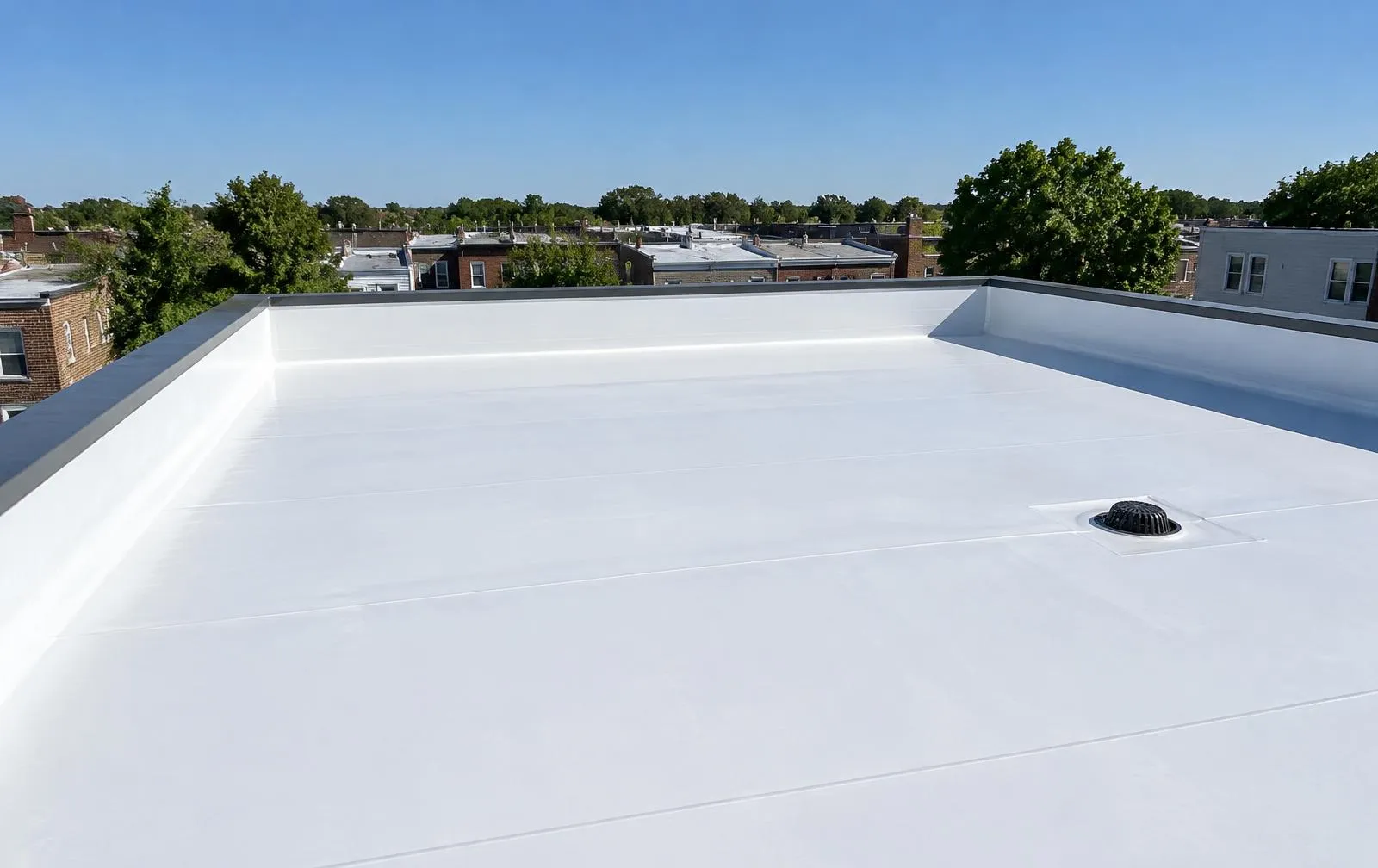
Flat Roof Repair in New Jersey
Low-slope roofs on New Jersey Shore homes, rear additions, and older urban twins and rowhomes need attention to outlets and wall connections as much as membrane surfaces.
- No-cost request
- Matched by ZIP code
- Statewide New Jersey
01
Identify the system before choosing a repair
Low-slope roofs on New Jersey Shore homes, rear additions, and older urban twins and rowhomes need attention to outlets and wall connections as much as membrane surfaces. NJ Roof Pros is a free homeowner referral service from SoleSource Pros, not a roofing contractor; each request is matched with ONE independent, licensed and insured roofer near the homeowner. The request is never sold to multiple companies. Your independent roofer evaluates the existing system and proposes suitable work.
EPDM rubber, TPO, and modified bitumen require different repair materials and application methods. Ask the roofer to identify your roof rather than relying on its color or a previous coating. Compatible products and proper preparation are essential to a repair that connects with the existing membrane.
Older roofs may contain layers or patches that obscure the original assembly. Supply records of past work on your addition or rowhome and ask what remains uncertain after inspection. A proposal should explain the repair method instead of using a vague description such as applying roof sealer.
02
Trace drainage across the whole roof
A low-slope roof still needs an effective route for rainfall to reach outlets, scuppers, or gutters. Recurring standing water can involve blocked drainage, insulation layout, or deck conditions. Have the roofer distinguish routine debris removal from a problem that requires changing the assembly.
Urban twins and rowhomes in places such as Camden, Newark, and Trenton can have closely adjoining roof edges. Confirm which outlets serve your home and whether access needs permission from a neighbor. Work should not shift runoff onto another property or obstruct a shared-looking passage.
03
Inspect walls, additions, and coastal edges
Shore houses in Monmouth, Ocean, and Atlantic counties often include low-slope additions or porch roofs. Coastal wind and salt air make perimeter attachment and compatible metal details important. Ask how membrane terminations and edge components will be repaired as a connected system.
Older urban homes may join a rear membrane to masonry walls or a steep front roof. Water can enter at those transitions and emerge far from the defect. Roof decks and equipment supports also need inspection without assuming the membrane itself is suitable for regular foot traffic.
Ready for a roofing estimate?
One short request, matched to a participating contractor who serves your area.
04
Plan for nor’easters and northern winters
Long periods of rain during New Jersey nor’easters can expose weak seams and restricted drainage. The inspection should include penetrations and wall flashing, not simply visible tears. Ask how temporary weather protection will be maintained if a repair requires opening the assembly.
Heavier snow and ice in northern New Jersey can conceal membrane defects and complicate outlet performance. Unusual roof deflection needs appropriate structural evaluation. Homeowners should not walk onto snow-covered membranes or probe soft areas to locate a leak.
05
Compare a patch with broader renewal
Localized damage may be repairable when nearby membrane and insulation remain suitable. Repeated seam failures, widespread deterioration, or trapped moisture may call for a larger scope. Ask what inspection evidence supports the recommendation and whether further investigation is needed before covering existing material.
A replacement proposal should describe removal or retention of layers, insulation, decking review, drainage details, and perimeter work. Coatings cannot be assumed to solve wet insulation or poor slope. Discuss equipment relocation and debris access, especially where narrow urban lots constrain delivery and removal.
06
Verify credentials and maintenance responsibilities
For New Jersey home improvement work, contractors must register with the New Jersey Division of Consumer Affairs. Ask for the registration number and look for it on the contract and in advertisements. Also request insurance evidence and specific experience with the proposed EPDM, TPO, or modified-bitumen work.
Permits are handled by the town’s construction office, so check locally before agreeing to the scope and clarify who obtains required approvals. After completion, request repair photos and a safe inspection plan for drains and seams. Keep system information so future maintenance uses compatible materials.
Questions
Frequently asked questions
Go deeper
Related roofing services
Roof Repair
Find a practical path for New Jersey roof leaks, damaged shingles, and flashing failures without assuming the entire roof needs replacement.
Learn moreRoof Replacement
Plan a New Jersey roof replacement around your home’s age, coastal exposure, attic conditions, and a clearly defined installation scope.
Learn moreStorm Damage Roof Repair
Navigate New Jersey storm roof damage with safe documentation, temporary-protection questions, and an independent roofer referral.
Learn moreGutter Replacement
Plan New Jersey gutter replacement around roof runoff, sound fascia, coastal attachments, and safe downspout discharge.
Learn more
Get started
Ready to get your project started?
One independent New Jersey roofer will contact you. Your request is never sold to multiple companies.