Roofing
Gutter Replacement in New Jersey
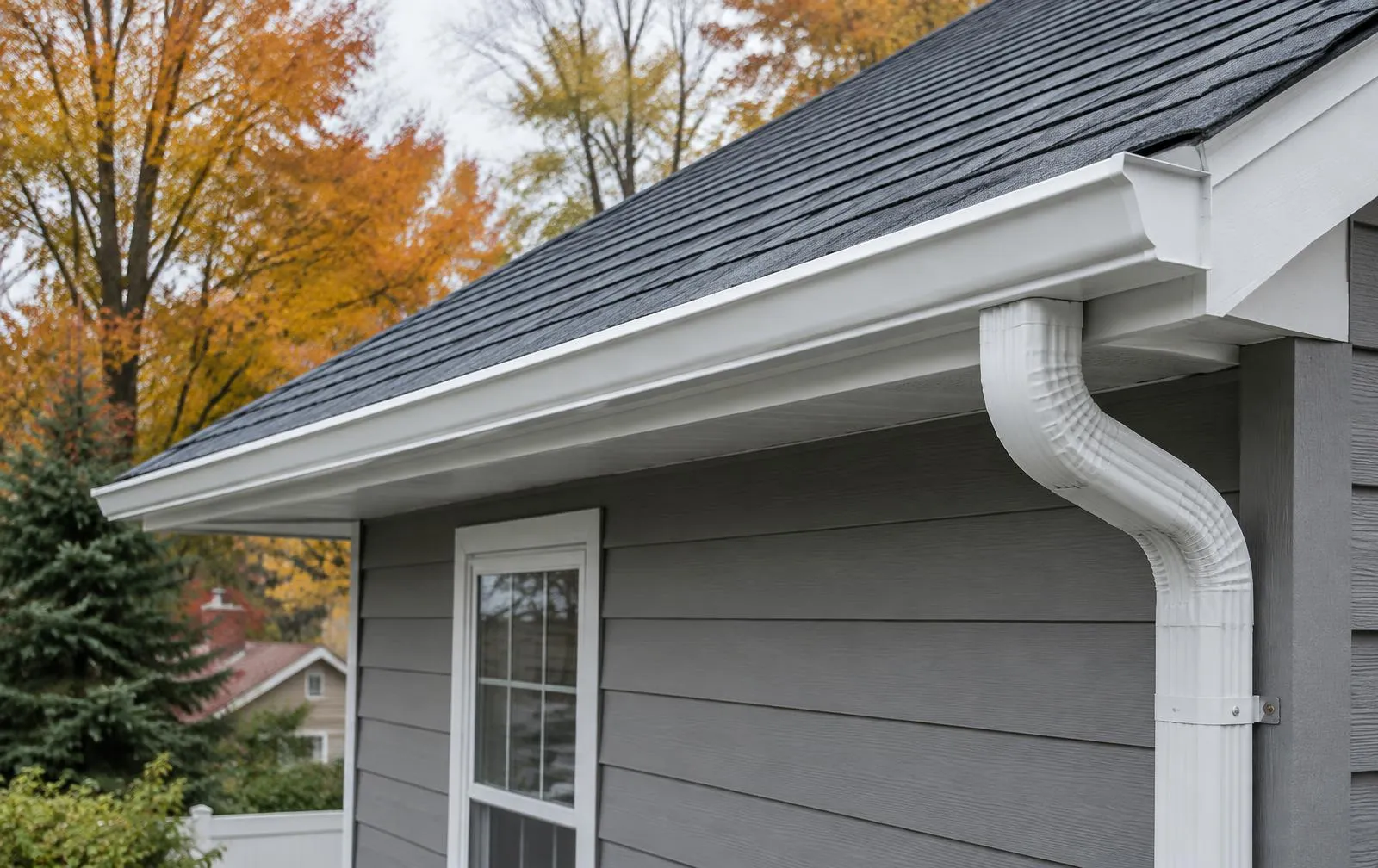
On a New Jersey home, replacing gutters should improve the full path of rainwater from roof edge to discharge.
- No-cost request
- Matched by ZIP code
- Statewide New Jersey
01
Find out why the existing gutters fail
On a New Jersey home, replacing gutters should improve the full path of rainwater from roof edge to discharge. NJ Roof Pros, the free homeowner referral service from SoleSource Pros, is not a roofing contractor; each request is matched with ONE independent, licensed and insured roofer near the homeowner, and the request is never sold to multiple companies. The matched roofer reviews the drainage concerns and provides any proposed installation agreement.
Overflow on a Burlington County ranch might come from blocked outlets rather than worn troughs. Loose runs on a Camden or Gloucester split-level may involve damaged fascia or attachment problems. Record where water spills from a safe ground-level viewpoint and ask which defects actually require replacement.
Many South Jersey homes built in the 1950s–1970s have undergone multiple roof changes, sometimes leaving mismatched roof-edge components. Have the roofer inspect how water reaches the gutter and whether older alterations contribute to leakage behind it. New sections alone will not correct every roof-edge defect.
02
Match capacity to the roof layout
Roof area, valley concentration, gutter slope, and outlet placement all influence drainage performance. Middlesex and Mercer colonials may concentrate water where garage roofs meet the main house. Ask how the proposed layout handles those junctions rather than selecting a gutter width in isolation.
Downspouts need to carry the collected water away efficiently. Clarify their proposed number and placement and whether low-slope additions feed the same runs. During statewide nor’easters, prolonged rainfall can reveal restrictions that are not apparent from a quick visual review on a dry day.
03
Choose attachments and materials for the setting
Shore properties in Atlantic, Ocean, and Monmouth counties face salt air and strong winds. Discuss corrosion-resistant components, compatible fasteners, and sound support at the fascia. Coastal storm surge history also makes it important not to confuse roof drainage improvements with protection against flooding.
Ask how the installation meets the drip edge and whether damaged fascia or soffit is included in the scope. If roofing work is planned too, coordinate the sequence so components do not need avoidable removal. Agree how concealed deterioration will be shown to you and approved before additional work starts.
Ready for a roofing estimate?
One short request, matched to a participating contractor who serves your area.
04
Address ice and seasonal debris realistically
Northern New Jersey’s heavier snow and ice-dam risk can affect eaves and gutter supports. Replacement gutters are not a cure for attic heat loss or refreezing meltwater. Ask whether separate evaluation of insulation, air sealing, or roof-edge protection is warranted.
Trees can load outlets with leaves and seed debris even where guards are installed. Discuss the actual maintenance needs of any accessory and how cleaning can be performed safely. Observe from the ground after storms rather than using a ladder in wet, windy, or icy weather.
05
Plan the discharge point before work starts
A downspout should not simply end wherever installation is easiest. Review the route near foundations, walks, driveways, and neighboring properties. Existing underground connections may need assessment; attaching a new pipe does not establish that a buried drain is open or appropriate.
On attached urban homes, narrow side passages and nearby doors can limit choices. On larger lots, grading and slopes still influence where water travels. Ask the town about local drainage requirements before redirecting runoff, and put the agreed outlet and extension locations in writing.
06
Review the contractor and the finished scope
New Jersey home improvement contractors are required to register with the New Jersey Division of Consumer Affairs. Request the registration number, which should appear on advertisements and contracts, and check current insurance information. Compare written material, support, removal, downspout, and fascia provisions rather than totals alone.
Check locally with your town’s construction office about permits for the planned work and identify who will handle approvals. At completion, review the installed layout, care instructions, and any written coverage terms. Keep photos and invoices so later roof-edge or drainage work can account for this installation.
Questions
Frequently asked questions
Go deeper
Related roofing services
Roof Repair
Find a practical path for New Jersey roof leaks, damaged shingles, and flashing failures without assuming the entire roof needs replacement.
Learn moreRoof Replacement
Plan a New Jersey roof replacement around your home’s age, coastal exposure, attic conditions, and a clearly defined installation scope.
Learn moreFlat Roofing
Explore New Jersey low-slope roof repairs for Shore additions, urban rowhomes, and homes with aging membrane systems.
Learn more
Explore
More to explore
Get started
Ready to get your project started?
One independent New Jersey roofer will contact you. Your request is never sold to multiple companies.