Roofing
Roof Replacement in New Jersey
From a South Jersey split-level to a Central Jersey colonial, replacement planning starts with the roof assembly rather than a shingle color.
- No-cost request
- Matched by ZIP code
- Statewide New Jersey
01
Read the roof history of your New Jersey home
From a South Jersey split-level to a Central Jersey colonial, replacement planning starts with the roof assembly rather than a shingle color. NJ Roof Pros is a free homeowner referral service from SoleSource Pros, not a roofing contractor; each request is matched with ONE independent, licensed and insured roofer near the homeowner, and the request is never sold to multiple companies. Your matched roofer develops the assessment, estimate, and installation agreement directly with you.
In Camden, Burlington, and Gloucester counties, many ranches, split-levels, and colonials built during the 1950s–1970s are now on a second or third roof. Construction age alone cannot establish the condition of the current covering. Gather installation records and ask the roofer to identify worn materials, old layers, and any evidence of recurring water entry.
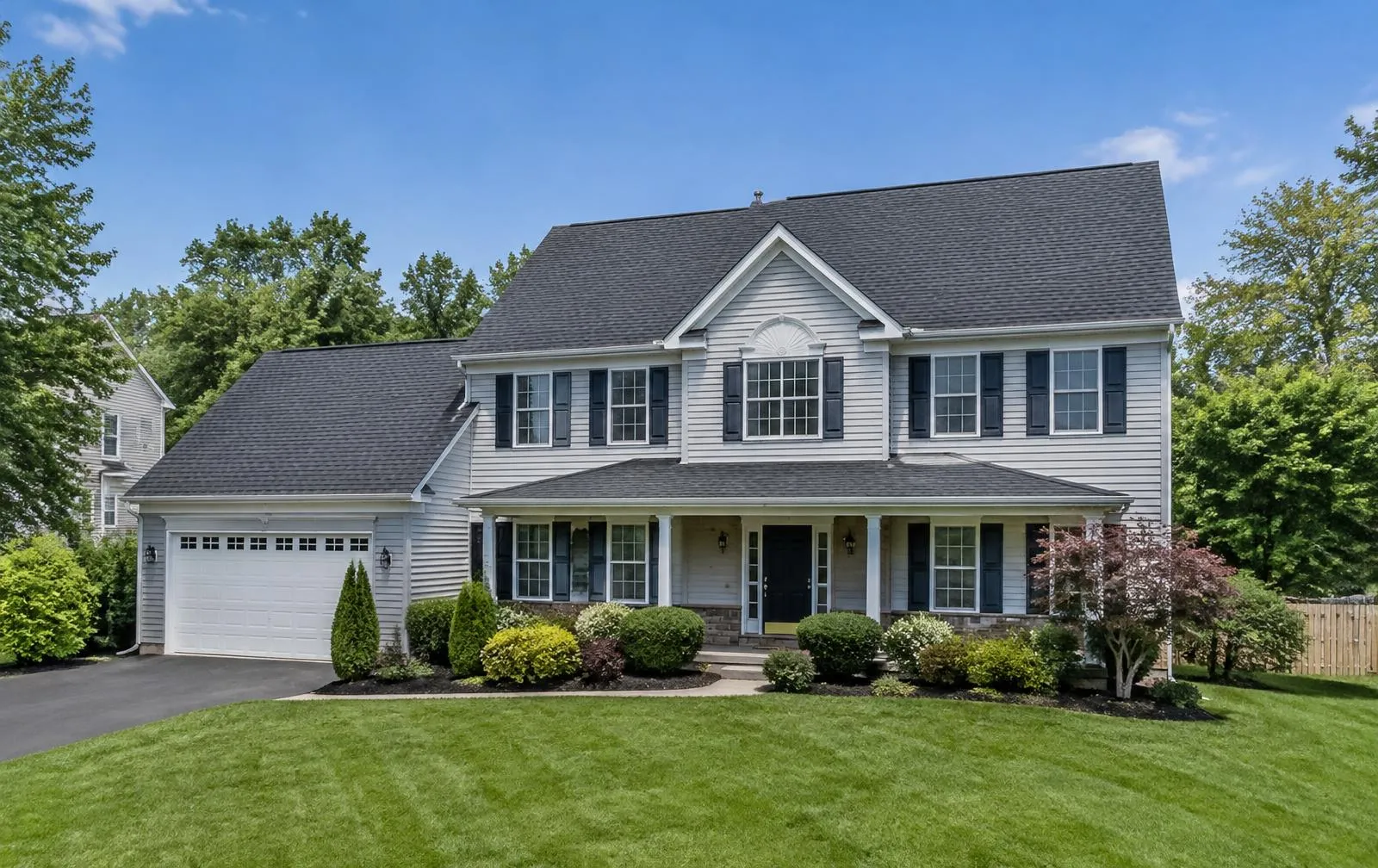
Central Jersey colonials in Middlesex and Mercer counties often combine dormers, attached garages, and intersecting roof planes. Replacement should address the flashing between those surfaces, not merely the open slopes. Have the estimate distinguish sound components from those that must be removed to build a reliable connection.
02
Specify materials for coastal and inland exposure
Shore homes in Monmouth, Ocean, and Atlantic counties face high wind and salt air, with storm surge history adding context to broader property resilience planning. Ask about wind-rated shingles, their installation requirements, and proper fastening at edges and across the roof. A wind rating depends on the specified assembly being installed correctly; the label alone is not protection.
For metal components near the coast, discuss corrosion resistance and compatibility among flashing, fasteners, and adjoining materials. Inland homes may have different exposure and architectural priorities. Compare complete systems, including underlayment and ventilation accessories, and avoid assuming a new roof can protect lower parts of a building from floodwater.
03
Address snow, ice, and prolonged storm rain
Northern New Jersey’s heavier snow and ice-dam risk deserve attention before replacement begins. Escaping indoor heat can melt rooftop snow that refreezes at colder eaves. Ask whether attic air sealing, insulation, and ventilation need evaluation alongside roof-edge water protection; replacing shingles does not correct every source of heat loss.
Nor’easters affect homes statewide and can drive rain into valleys, wall junctions, and chimney details for extended periods. Review those vulnerable areas with the roofer and ask how the proposed assembly manages water beneath the visible covering. Any suspected framing distress should receive appropriate professional assessment rather than being concealed under new materials.
Ready for a roofing estimate?
One short request, matched to a participating contractor who serves your area.
04
Define removal and concealed repairs
A useful replacement scope names tear-off work, debris handling, decking inspection, underlayment, flashing, and finished roofing. Ask how roof-to-wall connections and penetrations will be treated. If a contractor proposes retaining an existing detail, request an explanation of its condition and compatibility with the new system.
Wood deterioration may become apparent only after removal. Agree on how additional work will be photographed, priced, and authorized before it proceeds. Discuss protection for occupied rooms, landscaping, and driveways, along with how exposed areas will be managed if New Jersey’s forecast changes during installation.
05
Check New Jersey registration and town approvals
Home improvement contractors in New Jersey must register with the New Jersey Division of Consumer Affairs. Their registration number should be displayed on contracts and advertisements, so ask for it and verify the business identity before signing. Request current insurance documentation and review the contractor’s experience with the roofing system you are considering.
Your town’s construction office handles permits, and the homeowner should check locally about the proposed replacement. Establish who will obtain any needed approvals and whether other local reviews apply. Compare estimates by their written inclusions rather than treating different material packages and removal assumptions as equivalent.
06
Keep installation records for the next owner
Before work starts, settle delivery access, debris-container placement, and a communication plan with the independent roofer. Solar equipment or rooftop mechanical components may need separately coordinated work. Ask for a proposed sequence while recognizing that weather and uncovered conditions can change the schedule.
At handover, obtain photographs, product identification, invoices, and any written workmanship and manufacturer warranty terms. Review outstanding items without climbing onto the roof. Store the documents with the home’s repair history so future inspections can distinguish this installation from older work.
Questions
Frequently asked questions
Go deeper
Related roofing services
Roof Repair
Find a practical path for New Jersey roof leaks, damaged shingles, and flashing failures without assuming the entire roof needs replacement.
Learn moreStorm Damage Roof Repair
Navigate New Jersey storm roof damage with safe documentation, temporary-protection questions, and an independent roofer referral.
Learn moreFlat Roofing
Explore New Jersey low-slope roof repairs for Shore additions, urban rowhomes, and homes with aging membrane systems.
Learn moreGutter Replacement
Plan New Jersey gutter replacement around roof runoff, sound fascia, coastal attachments, and safe downspout discharge.
Learn more
Get started
Ready to get your project started?
One independent New Jersey roofer will contact you. Your request is never sold to multiple companies.