Roofing
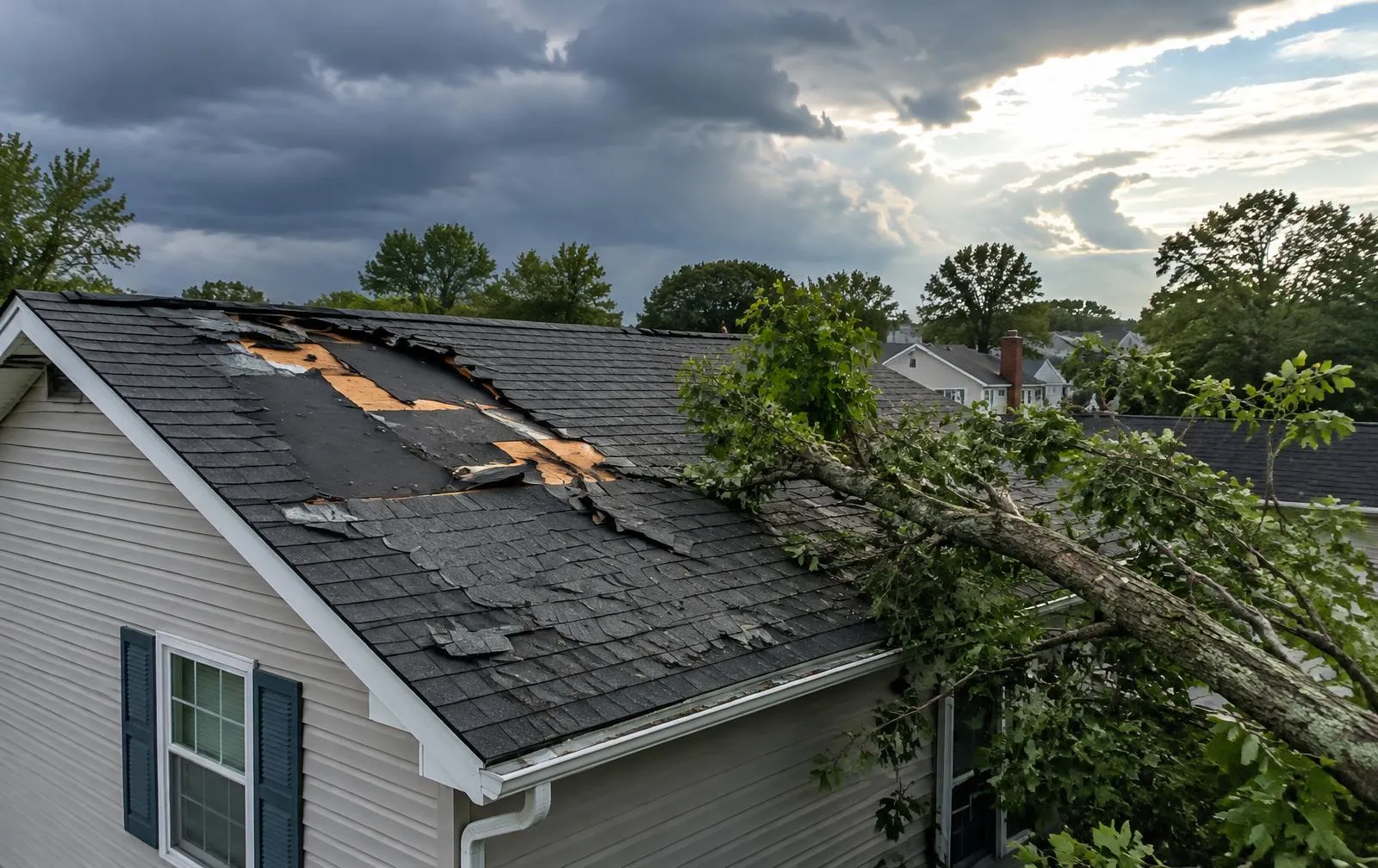
Storm Damage Roof Repair in New Jersey
New Jersey roof damage can follow a statewide nor’easter, tropical storm remnants, or severe wind along the Shore.
- No-cost request
- Matched by ZIP code
- Statewide New Jersey
01
The first 24 hours: protect people first
New Jersey roof damage can follow a statewide nor’easter, tropical storm remnants, or severe wind along the Shore. As a free homeowner referral service from SoleSource Pros, NJ Roof Pros is not a roofing contractor. Each request is matched with ONE independent, licensed and insured roofer near the homeowner, and the request is never sold to multiple companies. The roofer discusses inspection and repair options; neither a referral nor a storm report establishes insurance coverage.
Immediately after damage, avoid downed wires, leaning trees, loose roofing, and rooms beneath sagging ceilings. Call emergency services or the utility when there is immediate danger. Do not climb onto a damaged roof or move branches resting on it; changing loads and concealed openings can make apparently minor damage hazardous.
Within the first 24 hours, if conditions are safe, record the event, report active water entry, contact your insurer about its process, and discuss temporary protection with a roofer. Move belongings only from safe areas. Keep a simple timeline of calls and observations without delaying urgent safety measures to build a perfect file.
02
Use a safe photo checklist
From the ground, capture wide views of the affected roof slope, visible missing covering, displaced edge metal, debris locations, and damage to gutters or siding. Indoors, photograph ceiling marks and affected belongings only where entry is safe. Preserve the original images and note the date, room, and viewpoint for each group.
Include earlier roof photos or installation records if you have them, plus a written description of when leakage began. Let the roofer document close-up roof conditions during a safe inspection. Do not lift shingles, handle sharp debris, or step under unstable ceilings to obtain evidence; a checklist never outweighs personal safety.
03
Understand New Jersey’s different storm exposures
Nor’easters can sustain wind-driven rain across the state, while tropical storm remnants may bring heavy rainfall and gusts after traveling inland. Shore wind in Monmouth, Ocean, and Atlantic counties puts roof perimeters and fastening details under particular scrutiny. Ask the roofer to separate observed event damage from older wear wherever the evidence allows.
Salt air can contribute to deterioration of coastal metal details, and the Shore’s storm surge history is a reminder that roof and flood damage are different issues. In northern New Jersey, snow and ice may complicate storm inspections. Do not presume that all damage discovered after a storm has the same cause or the same repair scope.
Ready for a roofing estimate?
One short request, matched to a participating contractor who serves your area.
04
Know who decides an insurance claim
Homeowners generally report the loss to their insurer, receive instructions, and provide available documentation for review, which may include an adjuster’s inspection. The roofer can supply observations and a written repair estimate. The insurer decides coverage under the policy; a contractor’s recommendation is not a claim approval.
Keep receipts for temporary protection and other related expenses, and ask the insurer what records it requires. Reimbursement depends on policy terms and the claim decision. Never rely on a promise that a new roof will be covered, and review any repair agreement independently of assumptions about an insurance payment.
05
Separate temporary protection from restoration
Where the roof is open, ask what stabilization can be performed safely and what areas would remain exposed. Wind, wet surfaces, weak decking, and debris may prevent immediate access. Temporary coverings have limitations and require follow-up; they do not restore the original roofing assembly.
For permanent work, request an itemized scope covering roofing, flashing, decking where needed, and debris removal. Clarify whether tree removal, interior drying, or gutters require separate arrangements. Repairs on a South Jersey split-level may involve different transitions from a Shore addition, so the proposal should address the actual building.
06
Check credentials before authorizing storm work
New Jersey requires home improvement contractors to register with the New Jersey Division of Consumer Affairs; their registration number should be on contracts and advertisements. Ask to see it, check the business identity, and request insurance details. Storm urgency should not replace a written description of the work and payment terms.
Contact your town’s construction office to check local permit needs and establish responsibility for approvals. Discuss how the roofer will communicate delays or changes after inspection. A referral does not reserve an emergency arrival time, and conditions may require another qualified professional before roofing work can proceed.
Questions
Frequently asked questions
Go deeper
Related roofing services
Emergency Roof Tarping
Request a New Jersey roofer referral for temporary protection when storm damage leaves your home exposed to rain.
Learn moreRoof Repair
Find a practical path for New Jersey roof leaks, damaged shingles, and flashing failures without assuming the entire roof needs replacement.
Learn moreRoof Replacement
Plan a New Jersey roof replacement around your home’s age, coastal exposure, attic conditions, and a clearly defined installation scope.
Learn moreGutter Replacement
Plan New Jersey gutter replacement around roof runoff, sound fascia, coastal attachments, and safe downspout discharge.
Learn more
Explore
More to explore
Get started
Ready to get your project started?
One independent New Jersey roofer will contact you. Your request is never sold to multiple companies.